
Keep up to Date with Pilot City
Sign up to follow Pilot City. We plan to email once per quarter—and only if we have something real to say.

About

Our Thesis
Cities are full of public entrepreneurs trying to introduce new ideas to improve how local government operates. They are also home to some of the world’s top research universities and STEM talent, a latent expert pool that is often underutilized in local governance today. We design programs to help cities, counties, and regions bridge that divide—empowering agency staff to pilot, implement, and scale ambitious, science-backed projects, programs, and policies.
Pilot City builds upon three years of work in New York City. Now, we are excited to begin supporting cities, counties, and regions nationally. As a concrete first step, we are offering free support to select cities, counties, and regions to host a “Pitchfest” event (see FAQ). More broadly, we aim to empower localities to chart an optimistic path toward government reform—rebuilding trust in state capacity—while developing local civic infrastructure that lasts.
A four-part thesis guides our program activities.
Elevate ‘Public Entrepreneurs’
When most people hear the term “entrepreneur,” they think of a businessperson who assumes the risk of starting a new company. But there is another crop of entrepreneurs who perhaps make a larger difference in our day-to-day lives: the “public entrepreneurs” toiling away in local government agencies, tackling the thankless, herculean task of modernizing government operations. Yet today, public entrepreneurs are often constrained by an elected class focused on short-term political wins, a bureaucracy that prizes seniority over initiative, and a rulebook so fixated on minimizing risk that it often stifles innovation entirely. Our goal is to identify public entrepreneurs in local government and arm them with the resources they need to succeed.
Lean on Local Universities
Part of improving how cities, counties, and regions operate is redefining their relationship to local research universities. American cities are home to some of the world’s best academic institutions. Yet university talent is rarely leveraged as a strategic asset to improve how local government operates. We believe this is a missed opportunity: Researchers can deliver impartial analysis and technical skills that agencies struggle to hire—and are often willing to work at low or no cost to the city, in return for access to data and the ability to publish their findings. A clear illustration of the potential for impact comes from New York City, where a group of professors helped the City redesign its high school matching process, work that improved student outcomes and was later recognized with a Nobel Prize. Our goal is to help make high-leverage academic partnerships the norm, rather than the exception.
Tap Into Civic Patriotism
We also believe localities can do more to tap into the deep civic spirit that defines many city dwellers, by creating new, meaningful ways for residents to engage. When Bernie Sanders was elected Mayor of Burlington, Vermont, he organized a city-wide day of service to help achieve his campaign promise to plant trees across the City. When then-Tulsa Mayor G. T. Bynum was elected on a platform to govern by data but found himself short on budget, he used social media to recruit a team of volunteer data scientists. In dedicated ten-week sprints, the volunteers were deployed to trowel through data, run regressions, and come back with a plan to address quality of life concerns throughout the city. Our goal is to help government get the most out of local talent who are eager to lend their time and expertise to their home city.
Learn from Peer Cities
Lastly, we aim to build community to enable cities, counties, and regions to learn and adopt solutions from their peers. Cities tend to have intense pride of place, and there is a strong bias in local government to believe one’s circumstances are unique. In reality, there are many shared problems that cities are tackling simultaneously. For example, cities from San Francisco to Denver are undertaking ambitious initiatives to overhaul their urban permitting regimes, a process that requires a combination of software modernization and policy change. Instead of re-inventing the wheel, localities can look at what's working among their peer set and build off one another’s achievements. In addition to supporting individual governments, our goal is to create space for cross-pollination of proven ideas across different geographies.
TEAM

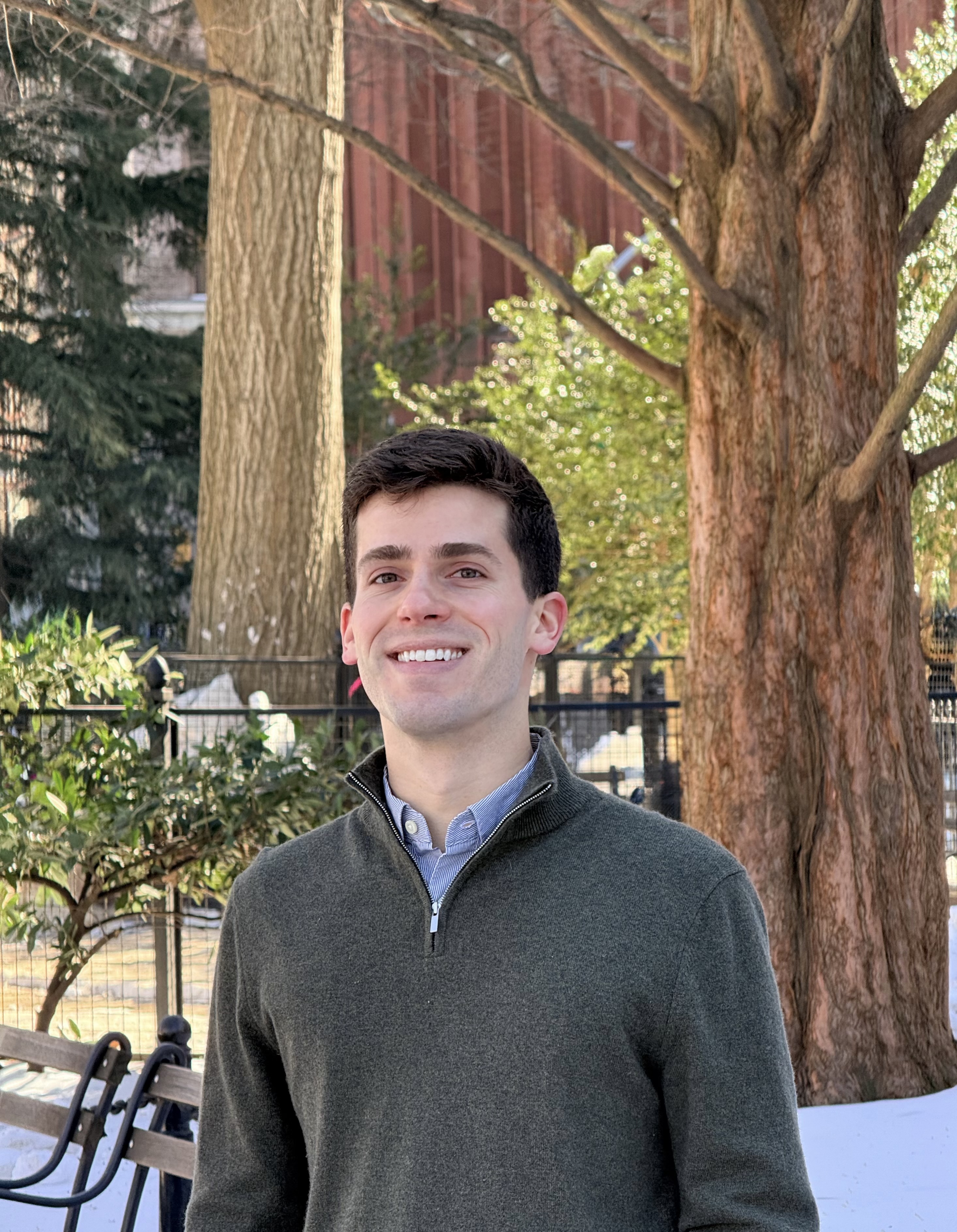
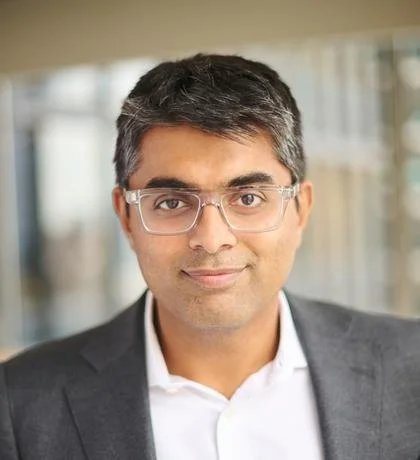


Pilot City is a program of Renaissance Philanthropy—a non-profit with a mission to fuel a 21st-century renaissance by increasing the ambition of philanthropists, scientists, and innovators. The Renaissance Philanthropy team brings together former White House and DARPA leaders, domain experts, AI engineers, entrepreneurs, and program designers, all united by a drive to translate ambitious ideas into real world impact.
DONATEKeep Up to Date with Pilot City
Sign up to follow Pilot City. We plan to email once per quarter—and only if we have something real to say.
CONTACT US
info@pilot.city
Pilot City: A program of